
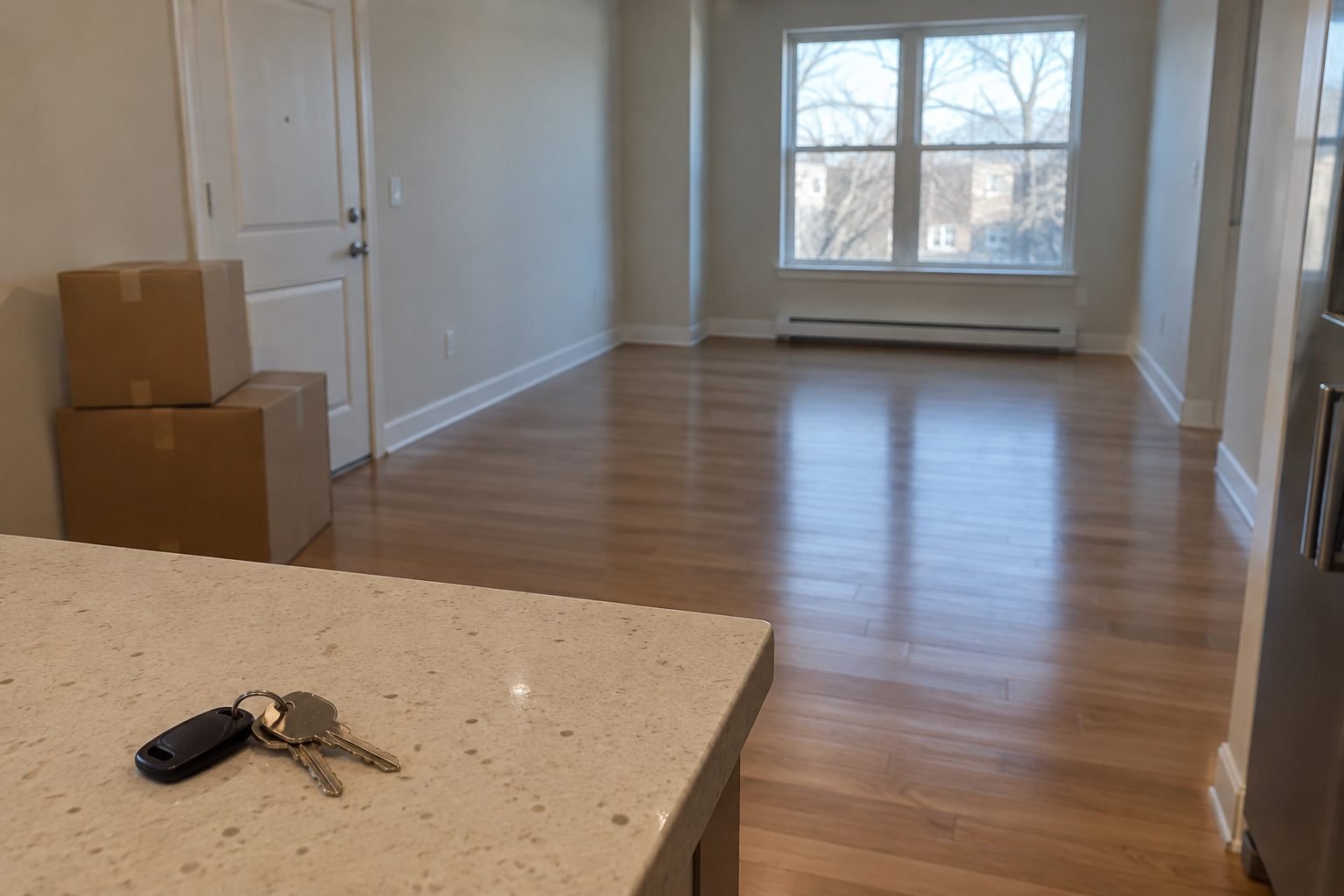
The lease is ending. The boxes are packed. And the question on every renter’s mind is the same: will I get my deposit back? For a lot of renters in Bloomington, Bedford, Bloomfield and Spencer, December and the end of a semester bring a move-out. Indiana has a specific statute on security deposits, IC 32-31-3, and it sets firm rules for both sides. Here is how it works, whether you’re the tenant waiting on a refund or the landlord deciding what to deduct.
What a landlord can deduct
Under IC 32-31-3-13, a security deposit may be used only for:
- actual damage to the rental unit that is not the result of ordinary wear and tear;
- unpaid rent, including rent due because the tenant ended the lease early;
- the last month’s rent, but only if a written agreement says the deposit will serve as the last payment; and
- utility or sewer charges the tenant was responsible for under the lease and didn’t pay.
That’s the whole list. Faded paint, light carpet wear and a few small nail holes from hanging pictures are typically the kind of thing “ordinary wear and tear” covers. A broken door, pet damage or a large stain usually is not.
One more point renters often miss: unless the lease or another written agreement says otherwise, a tenant can’t simply skip the last month’s rent and tell the landlord to keep the deposit (IC 32-31-3-12(a)).
The 45-day rule
Indiana gives the landlord 45 days to act. Under IC 32-31-3-12 and IC 32-31-3-14, within 45 days after the lease ends and the tenant turns over possession, the landlord must deliver to the tenant:
- an itemized list of damages being claimed, with the estimated cost of repair for each item; and
- a check or money order for the rest of the deposit.
If the landlord keeps nothing, the whole deposit comes back within that same window.
Give your forwarding address in writing
This step matters more than any other for tenants. The statute says the landlord isn’t liable under the chapter until the tenant supplies a mailing address in writing (IC 32-31-3-12(a)).
The Indiana Supreme Court has held that a late forwarding address delays the landlord’s 45 days but doesn’t wipe out the landlord’s obligations (Lae v. Householder, Ind. Supreme Court, 2003). Still, the simplest approach is to give a written forwarding address on or before move-out day and keep a copy, such as a dated email or letter.
What happens if the landlord misses the deadline
The consequences for skipping the itemized notice are significant:
- Failing to send the notice of damages counts as the landlord’s agreement that no damages are due, and the full deposit must be returned immediately (IC 32-31-3-15).
- A landlord who fails to comply is liable for the part of the deposit withheld plus reasonable attorney’s fees and court costs (IC 32-31-3-12(b), IC 32-31-3-16).
The statute also says it doesn’t stop either side from recovering other damages they’re entitled to (IC 32-31-3-12(c)). So a landlord with a real claim for damage beyond the deposit may still pursue it, and a tenant may still have other claims too.
Where these disputes are heard
Deposit cases can be filed in circuit, superior or small claims court, and the statute specifically allows them on the small claims docket (IC 32-31-3-11). Small claims court in Indiana handles cases up to $10,000, uses simplified procedures and is designed so people can represent themselves. We covered how to file in an earlier post on small claims court in Indiana.
A move-out checklist for tenants
- Read your lease for move-out, cleaning and notice requirements.
- Find your move-in checklist and photos. If you don’t have them, that’s a lesson for the next lease: document everything on day one.
- Clean thoroughly and remove all of your belongings.
- Take dated photos and video of every room, including appliances, on the day you leave.
- Return all keys and note the date and time you turned over possession.
- Give your forwarding address in writing and keep a copy.
- Count 45 days from move-out on your calendar.
- If the deadline passes, or the deductions look wrong, send a polite written request asking for the deposit or an explanation.
A checklist for landlords
- Do a walk-through promptly after move-out and photograph the unit.
- Separate ordinary wear and tear from actual damage.
- Get repair estimates or invoices for each item you plan to deduct.
- Send the itemized list and the balance within 45 days to the forwarding address the tenant gave you.
- Keep proof of mailing and copies of everything.
Talk with an attorney
Most deposit disputes come down to documents: the lease, the photos, the move-out date and the itemized list. If you’re a tenant or landlord in Greene, Monroe, Lawrence or Owen County with a deposit dispute, or you’ve been named in a small claims case, Sutton Law Office handles small claims and civil matters and can help you sort through your options.
This article is general information, not legal advice. Every situation depends on its own facts and lease terms.